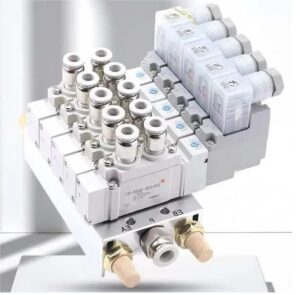
Choosing standards-compliant industrial valves begins with understanding the demands of the process and system expectations. A clear review of https://www.vincervalve.com/valve-standards-guide/ can support this process by providing information for design, material, dimensional, and testing requirements. When these elements are considered together, buyers can identify valves that support dependable operation, smooth integration, and equipment value.
1. Match the Valve Type to Its Purpose
Start by defining what the valve must accomplish. Designs support isolation, flow regulation, non-return functions, and pressure management.
- Operating function: Confirm whether the application requires on-off service, throttling, or prevention of reverse flow.
- Valve construction: Compare suitable gate, globe, ball, butterfly, plug, and check valve designs.
- Service conditions: Consider the fluid, flow rate, operating cycle, and frequency of use.
- Applicable product standard: Check that the selected standard covers the valve type and intended duty.
A well-matched design helps create a balanced system with predictable control and practical maintenance.
2. Evaluate Materials and Operating Ratings
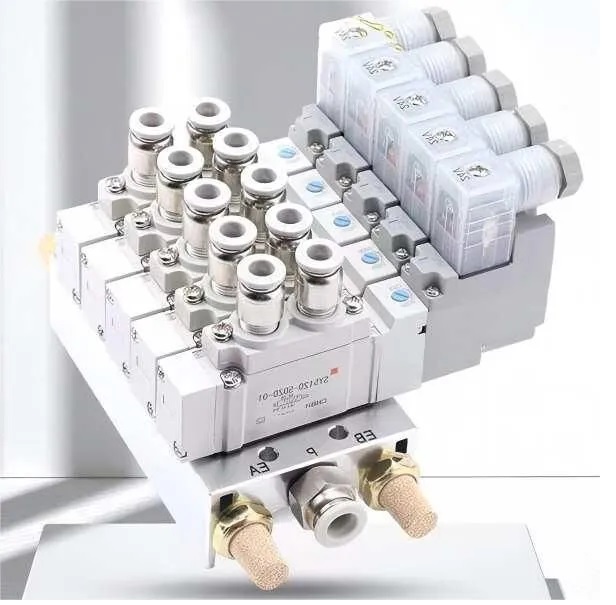
Material compatibility is central to valve performance. Body, trim, stem, seat, and sealing materials should suit the process fluid and environment.
- Fluid compatibility: Review corrosion, erosion, and chemical exposure.
- Pressure rating: Confirm that the valve rating meets the system’s design pressure.
- Temperature range: Check allowable pressure at the actual operating temperature.
- Mechanical strength: Consider durability, wear resistance, and service conditions.
- Special requirements: Identify any needs involving fire-safe performance, low temperatures, or demanding media.
Reviewing pressure and temperature together helps ensure that the chosen valve remains within its rated operating limits.
3. Confirm Dimensions and Connection Compatibility
A standards-compliant valve should fit the piping arrangement without adaptation. Dimensional checks also support straightforward installation and replacement.
- Verify nominal size and face-to-face or end-to-end dimensions.
- Match flange drilling, connection type, and pressure class with the pipeline.
- Confirm actuator mounting interfaces where automated operation is planned.
- Review clearances, access, orientation, and available installation space.
- Check that adjoining components follow compatible dimensional requirements.
These details promote a well-aligned installation and help simplify maintenance planning.
4. Review Testing, Inspection, and Documentation
Testing requirements provide a structured way to assess product quality prior to installation. The purchase specification should clearly identify the applicable standards and acceptance criteria.
- Pressure testing: Confirm shell and closure test requirements.
- Leakage performance: Define the required seat leakage class or acceptance level.
- Inspection: Review visual, dimensional, and material verification procedures.
- Traceability: Request suitable material certificates and component identification.
- Quality records: Specify test reports, inspection documents, and compliance declarations.
- Standard editions: Confirm the required revisions and resolve any differences between project documents.
Clear documentation supports confident purchasing, effective quality checks, and consistent records throughout the lifecycle.
Make a Well-Informed Selection
A practical process brings application needs, ratings, dimensions, testing, and documentation into one review. Preparing a detailed datasheet and checking each requirement before ordering can improve communication and reduce avoidable specification changes. It also helps teams compare suitable options using consistent criteria. By giving attention to these considerations and exploring https://www.vincervalve.com/fr/, buyers can make informed decisions that support reliable operation, integration, and lasting value.