The wiring in your home is out of sight, so it is easy to forget about until something goes wrong. Yet electrical installations do not last forever. Older properties may still have wiring that was installed decades ago to standards that are very different from today’s, and it may not cope with the demands of modern life. Knowing the signs that your electrics are out of date can help you to act before a fault becomes dangerous. This guide explains what to look for, without scaremongering.
What a rewire is and why it happens
A rewire means replacing the cables, and often the consumer unit, sockets and switches, throughout all or part of a property. It is usually recommended when the existing wiring is too old, damaged or inadequate to be made safe by repair. If you are unsure of the condition of your installation, an electrical service such as Spark Electric, which connects West Midlands customers with electricians for EICRs and home rewires, can arrange an inspection to show whether you need a rewire, a partial upgrade or nothing at all.
Wiring does not have a fixed expiry date. The insulation on very old cables, such as rubber or fabric, breaks down over time, while modern PVC cable generally lasts for decades. A rewire may be needed because of age, but also because of damage, poor earlier work, an extension or the need to meet current regulations and demand.
Houses that were built before about the 1960s, or that have not had electrical work since, are the most likely to need attention. Not every older house needs a full rewire, though, and a proper test will show the true condition.
Signs your wiring may be out of date
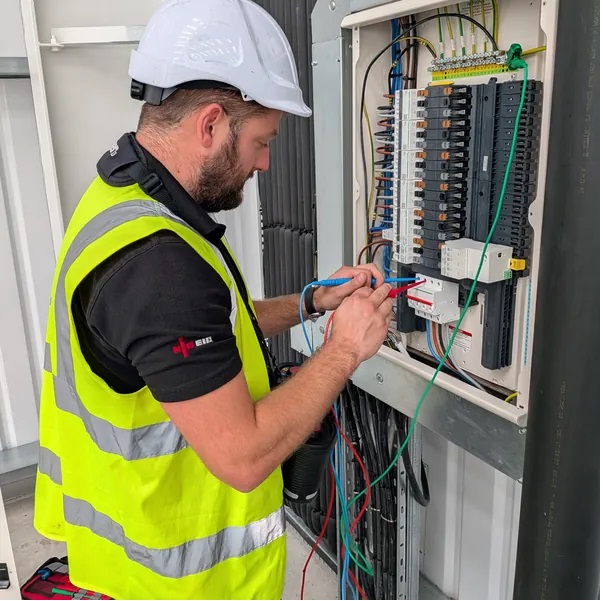
Several clues can suggest that an installation is past its best:
- An old fuse box. Rewirable fuses, wooden or cast-iron casings and mixed older fittings are signs of an outdated system.
- A consumer unit without RCD protection. Residual current devices cut the power quickly when they detect a fault and are standard in modern installations.
- Round-pin sockets or old switches. These belong to very old systems.
- Rubber, fabric or lead-sheathed cabling. If you see this in your loft or under floorboards, it is a strong sign that wiring is very old.
- Too few sockets. If your home relies on extension leads and adaptors, the system may not match how you live.
- A mix of different wiring types from various periods of work.
- Cables that look brittle, cracked or discoloured.
- No recent test records. If you have no electrical certificate or inspection report, you cannot be sure of the condition.
None of these automatically means you need a rewire, but each is a reason to get the installation checked.
Warning signs that need urgent attention
Some symptoms are more serious and should be investigated promptly:
- Frequent tripping or blown fuses.
- Flickering or dimming lights.
- Buzzing or crackling from sockets or the consumer unit.
- Burning smells or scorch marks near sockets and switches.
- Sockets or plugs that feel hot.
- A mild electric shock when you touch an appliance or a switch.
- Sparks when plugging in or switching on.
If you notice any of these, stop using the affected circuit, keep people away from it and contact a qualified electrician. In an emergency involving fire or smoke, get out and call 999.
The role of an EICR
The best way to find out the state of your wiring is an Electrical Installation Condition Report, known as an EICR. A qualified electrician inspects and tests the installation and reports on its condition and any danger or damage. The report uses codes to classify any problems:
- C1: danger present and immediate action required.
- C2: potentially dangerous and urgent remedial action required.
- C3: improvement recommended.
- FI: further investigation required.
The overall outcome is either satisfactory or unsatisfactory. An unsatisfactory report does not always mean a full rewire, as many issues can be fixed with targeted repairs or a new consumer unit. Private landlords in England must have an inspection at least every five years and carry out any remedial work, while NICEIC says homeowners are strongly encouraged to have one at least every ten years, and sensibly when buying a property.
What a rewire involves, disruption and timescales
A rewire is a significant job, but it is manageable with good planning. A typical project involves:
- Survey and quote. The electrician inspects the property, discusses your needs and prepares a written quote.
- First fix. Old cables are removed and new ones installed. This often means lifting floorboards and cutting channels in walls.
- Consumer unit. A new unit with modern protection is fitted.
- Second fix. Sockets, switches and light fittings are installed.
- Testing and certification. The work is tested, and you should receive an Electrical Installation Certificate.
- Making good. Plastering and decorating usually follow, and may be arranged separately.
The time and disruption depend on the size of the property and whether it is occupied. A smaller house may take a week or two, while a larger one can take longer. Some people choose to move out for part of the work. Doing a rewire before decorating, or alongside other building works, saves money and mess.
If a full rewire is not necessary, ask about partial options, such as replacing the consumer unit, rewiring one floor or adding extra circuits.
How to find a qualified electrician
Electrical work is regulated. GOV.UK says that replacing a fuse box and connected electrics needs building regulations approval unless it is done by someone registered with a competent person scheme. The wiring standard in the UK is BS 7671, often called the IET Wiring Regulations. To protect yourself:
- Choose an electrician registered with a recognised scheme, such as NICEIC or NAPIT, who can self-certify notifiable work.
- Check their registration on the scheme’s website, and ask for ID and proof of insurance.
- Get at least two or three written quotes, and make sure each covers the same work.
- Ask about certification. You should receive the correct certificate on completion.
- Ask about guarantees on materials and workmanship.
- Do not attempt fixed wiring work yourself. Even simple-looking jobs can be dangerous or illegal if not done properly.
Outdated electrics are common in older homes, and most can be assessed and put right with the right professional help. Look out for the warning signs, arrange an inspection if you are unsure and act on the findings. A safe, modern electrical system protects your family and your property and gives you confidence in the home you live in.