Snus products can be classified according to their format, moisture level, portion size, flavor profile, and packaging characteristics. Understanding these categories helps readers recognize how individual products differ and how their descriptions communicate important details. Product comparisons become more informative when labels are reviewed carefully, especially when examining products associated with the German market. Since nicotine is addictive and carries health risks, understanding product characteristics should also include awareness of relevant warnings.
1. Common Snus Product Categories
Different formats have distinct physical characteristics that help distinguish one category from another. Their appearance, consistency, and portion design are often highlighted in product descriptions.
- Loose snus: This category features a loose material rather than individually portioned units, making its physical format easy to recognize.
- Portion snus: The material is enclosed in individual pouches, providing a consistent shape and defined portion size.
- White portion products: These typically feature lighter-colored pouch material and a distinctive appearance compared with traditional moist portions.
- Original portion products: These generally have a moist exterior and a characteristic texture that distinguishes them from drier alternatives.
- Mini portions: Their smaller dimensions distinguish them from standard-sized portions and make size comparisons straightforward.
In Germany, clear descriptions of product formats can help readers identify these differences without confusing appearance with composition or nicotine strength.
2. Moisture and Texture Differences
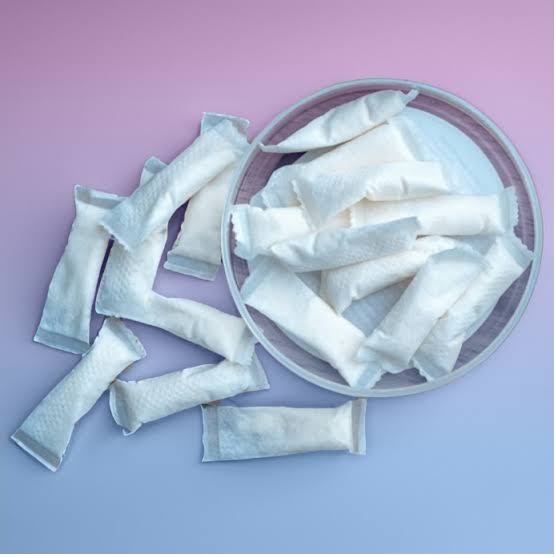
Moisture content is another important characteristic used to describe snus categories. It affects the physical properties of the product and helps explain differences between individual formats.
- Moist formats: These contain more surface moisture, influencing their texture and overall physical condition.
- Drier formats: These have a different moisture profile and can be distinguished through their material characteristics.
- Soft textures: Certain products feature flexible pouch materials that contribute to their overall construction.
- Firm textures: Other formats maintain a more structured shape, making their physical design easier to identify.
- Material consistency: Pouch construction and filling characteristics can vary across product categories.
German product descriptions may present these features alongside portion dimensions, ingredients, and other relevant specifications. However, moisture and texture alone do not establish a product’s safety.
3. Flavor, Strength, and Composition
Product categories can also be distinguished by their stated flavor characteristics and ingredient information. Careful label reading helps readers understand the differences between descriptions.
- Flavor profiles: Labels may describe mint, herbal, or other flavor characteristics.
- Nicotine concentration: The stated quantity helps distinguish products with different nicotine levels.
- Ingredient information: Listed components provide details about the product’s composition.
- Portion weight: Weight measurements offer another useful point of comparison.
- Warning statements: Health information communicates important considerations about nicotine consumption.
When reviewing products in Germany, readers should check the applicable labeling requirements rather than assume that similar descriptions guarantee identical ingredients.
4. Packaging and Responsible Comparison
Packaging provides a structured way to communicate category information. Details such as storage instructions, batch identification, portion counts, and nicotine declarations help readers interpret product descriptions accurately. For example, the phrase Garant nicotine pouches may appear in product-related searches, but the wording alone does not verify a product’s category or composition.
Germany-related market references should likewise be checked against reliable product information. Ultimately, comparing format, moisture, texture, flavor, and labeling provides a clearer understanding of distinguishing features. Snus contains tobacco, and nicotine can cause dependence. Product descriptions should therefore be considered alongside health warnings and applicable regulations.